Skip to content
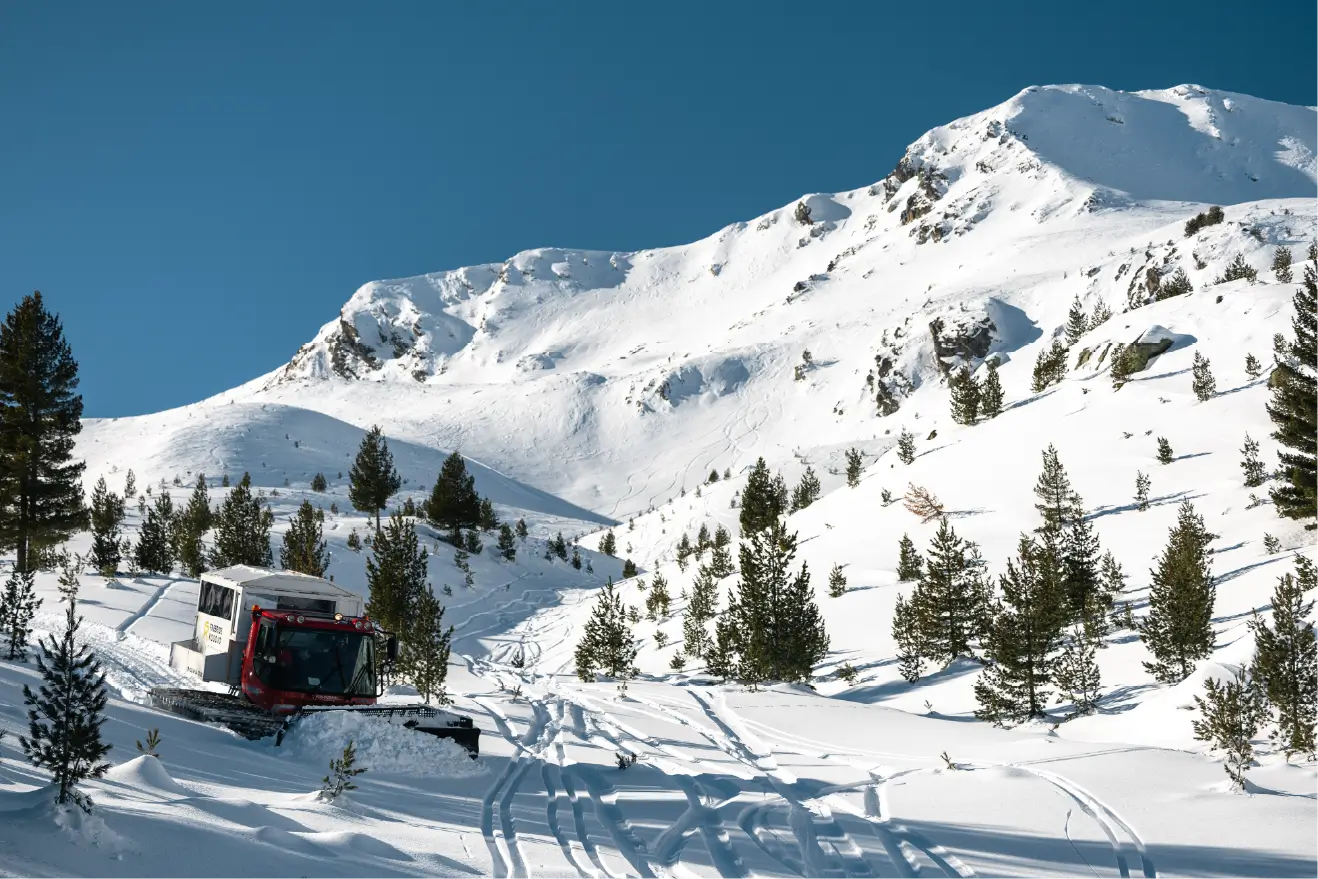
Untracked snow in the mountains of western Kosovo

The guide

Skiing in Kosovo.

Where you can ski in Kosovo, when the season runs, what the snow is like, and where the off-piste terrain actually is.

Dec – MarUsual season
2,656 mGjeravica, highest peak
2Lift-served ski areas
1h30Pristina to the mountains

The short answer

Yes — and most of it is not on a lift.

Kosovo is a small country with a lot of mountain. The highest ground sits along the western and southern borders, in the Accursed Mountains and the Šar range, and it takes the heaviest snowfall in southeastern Europe because Adriatic storms meet cold continental air right here.

What Kosovo does not have is a big resort industry. There are two lift-served areas and they are modest by Alpine standards. The interesting skiing is the terrain between and above them — which is why the country has become better known for touring, freeride and cat skiing than for piste days.

Where you can ski

Three kinds of skiing, three different trips.

Lift-served

Brezovica

Kosovo’s main ski area, in the Šar Mountains in the south, roughly an hour and a half from Pristina. It is the only area of any size, with a long history and infrastructure that has been through better and worse decades. Good for a piste day or a cheap week; not why most visitors come.

Lift-served

Bogë

A small area above Peja on the edge of the Accursed Mountains, popular locally and with families. Limited vertical and limited lifts, but it sits at the doorstep of serious mountains and is a common base for ski touring.

No lifts at all

The Accursed Mountains

The high ground on the Albanian and Montenegrin borders — north and northeast aspects between roughly 1,500 and 2,550 metres, with no winter road access until a machine opens one. This is where we operate, above Deçan.

Lift counts and opening dates at both resorts change from season to season — check directly before you book a trip around them.

The snow

Why it snows so much here.

The western ranges sit close to the Adriatic and take around 2,500 mm of precipitation a year. Storms coming off the Atlantic pick up moisture over the sea; the air inland is cold and dry. Wet storms meeting cold air is what produces deep coverage and light snow.

The season usually runs from December into March, with January and February the most reliable. January is the coldest month, averaging around −5 °C in the mountains. North and northeast aspects hold cold snow longest, which is why the terrain above Deçan works the way it does.

The comparison people who ski here reach for is British Columbia rather than the Alps: less infrastructure, more snow, and almost nobody on it.

Practical

Getting there, and what it costs.

Fly into Pristina International Airport — the only airport you need. From there it is about an hour and a half west to the Deçan valley via Peja, or a similar drive south to Brezovica.

  • Currency is the euro; ATMs in Pristina, Peja and Deçan
  • Kosovo is visa-free for EU, UK, US and most other Western passports
  • A lift day at either resort costs a fraction of an Alpine equivalent
  • Travel insurance covering off-piste skiing is essential and rarely included
  • Mountain rescue: 0800 80008, free to call

Full practical guide — gear, rooms, weather, numbers

The road into the mountains of western Kosovo

Off-piste

If it is the backcountry you came for.

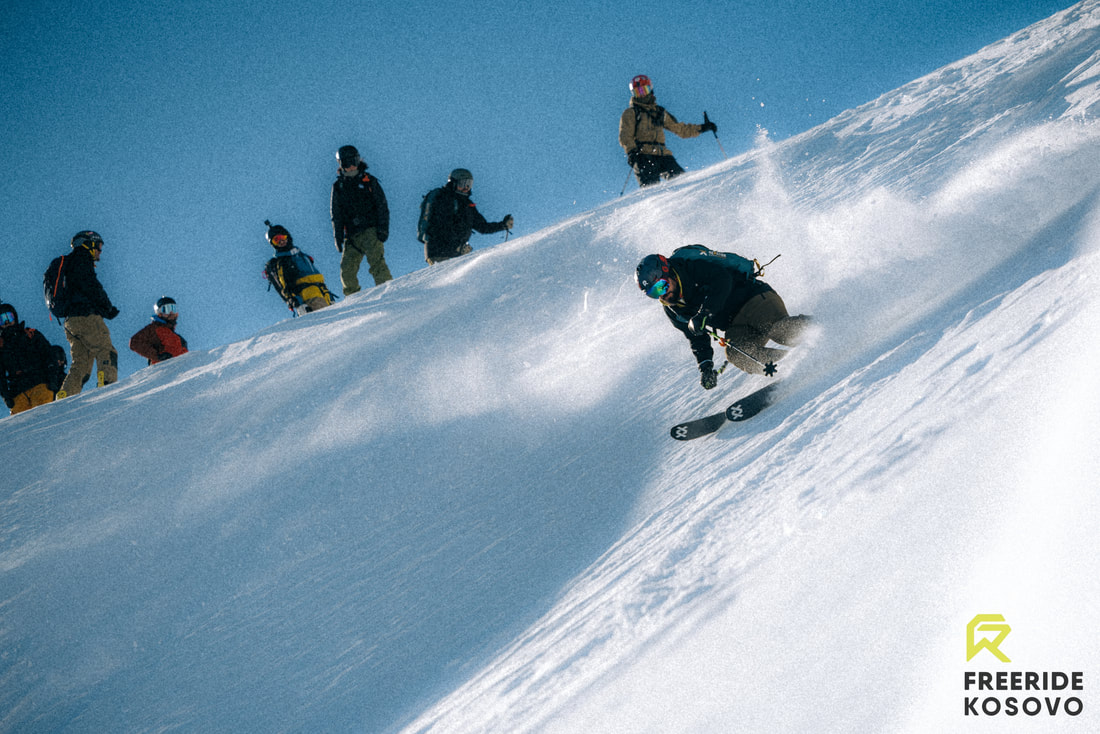
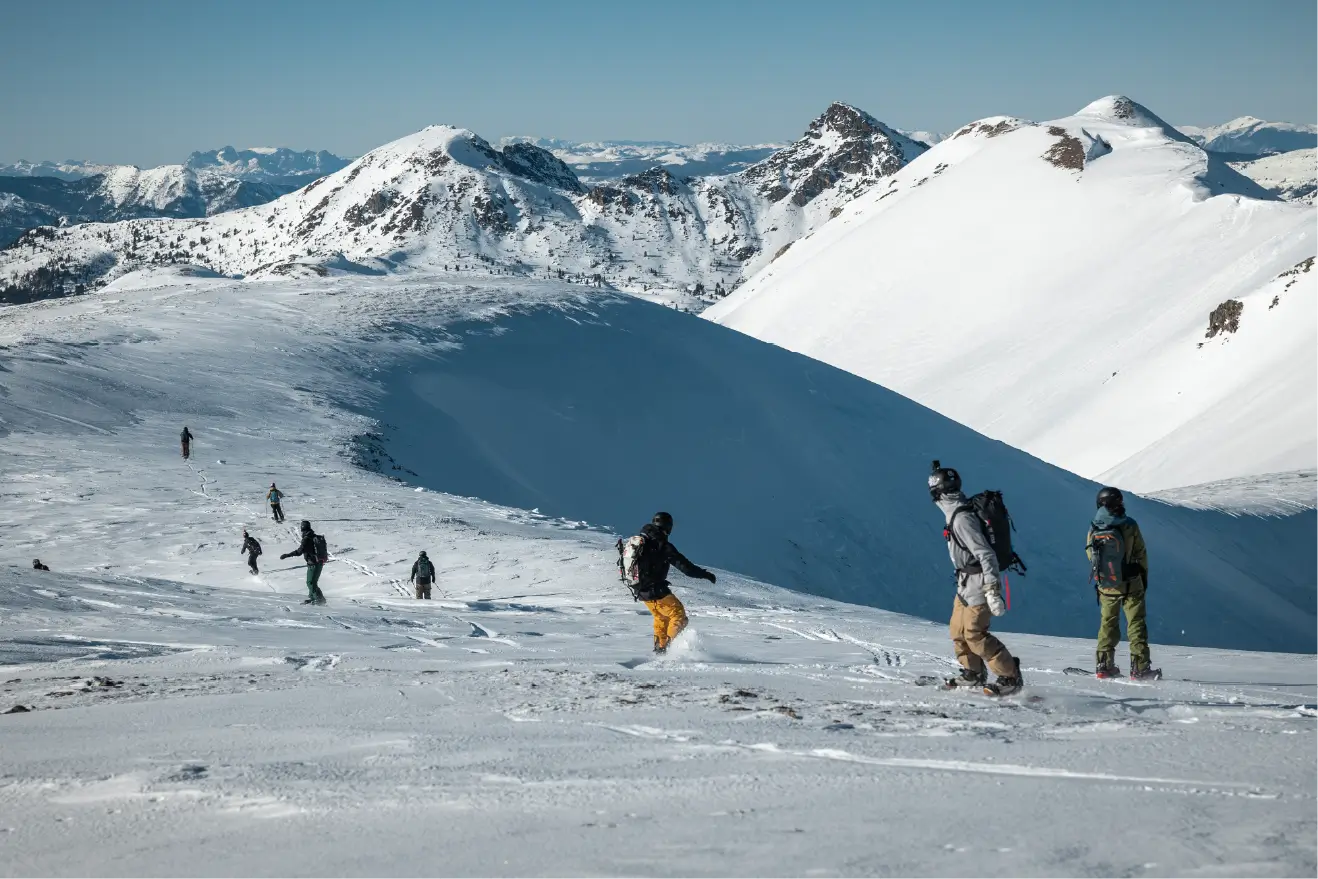
Skiing in Kosovo away from the lifts means one of three things: touring under your own steam, hiring a guide for day trips out of Peja or Deçan, or cat skiing, where a snowcat does the climbing and opens terrain that has no winter access at all.

Next step

Ski the part with no lifts.

Enquiries

Tell us when you want to come.

Dates for the 2027 season are set with each group. We reply to every enquiry within twelve hours. No deposit is taken at this stage.

Confident off-piste skiing or riding in variable snow is required. Your avalanche kit is provided.
Or email info@catskikosovo.com · call +383 49 833 322